Kubernetes configuration
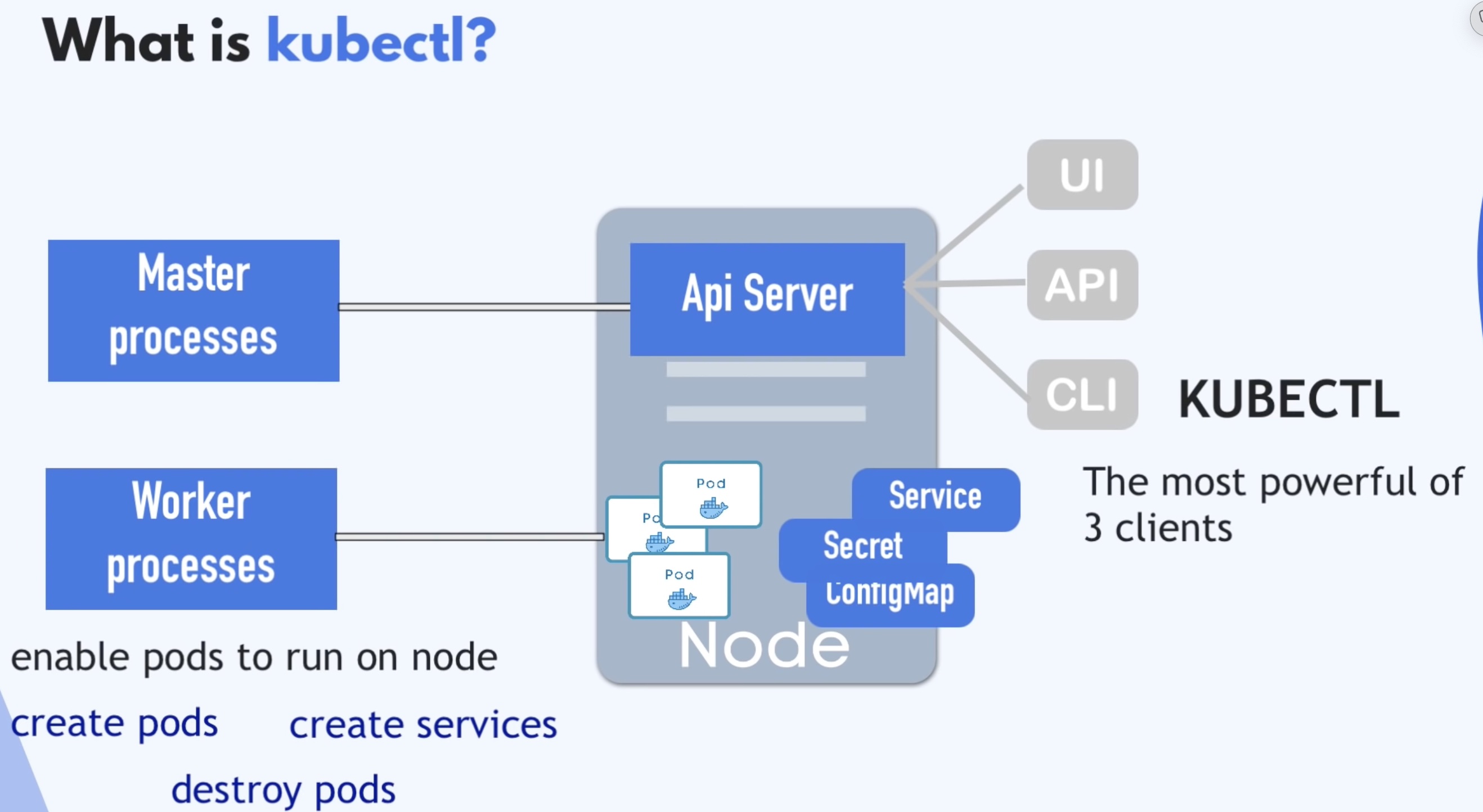
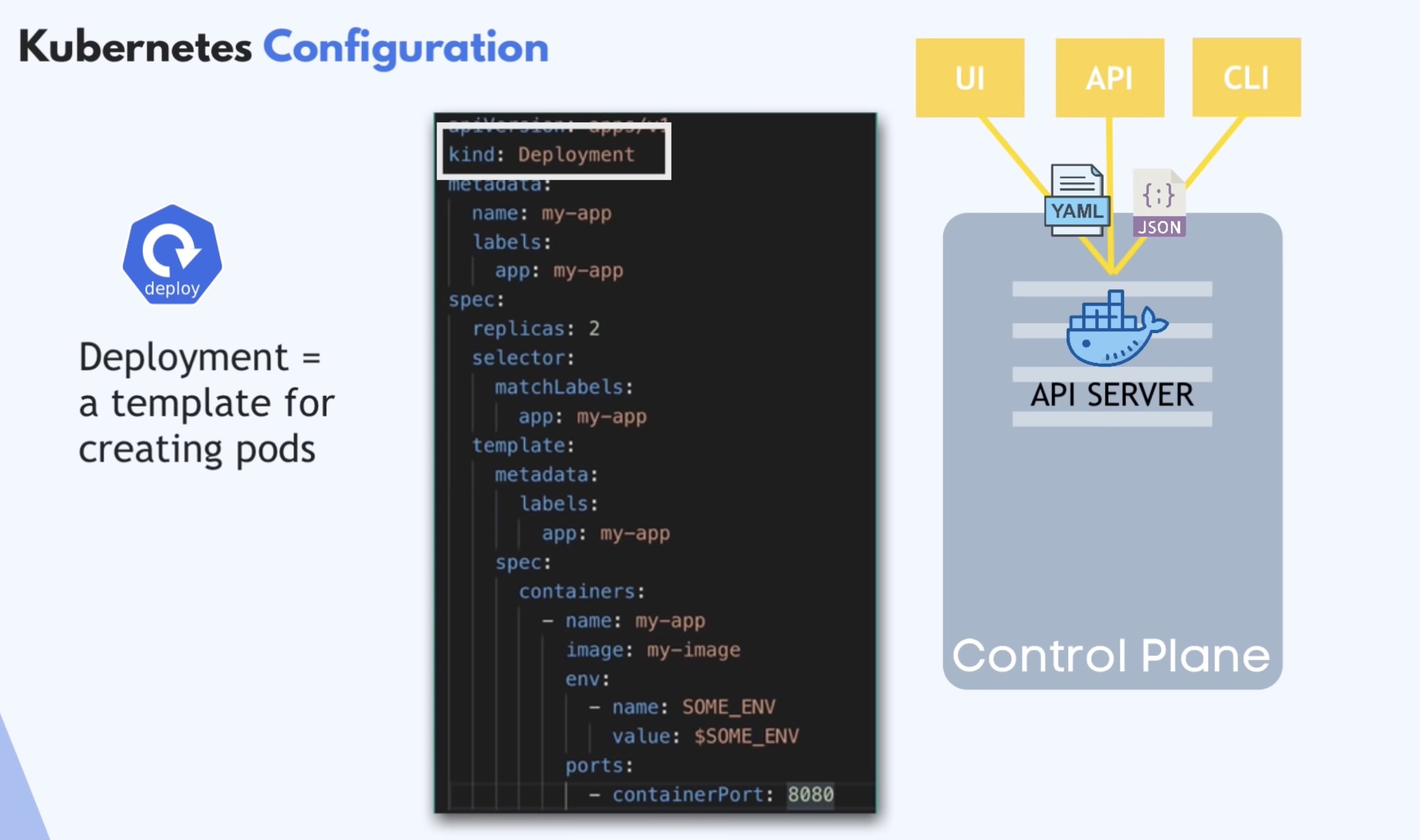
Kubernetes exposes an entry point to handle the cluster, handling by the api-controller
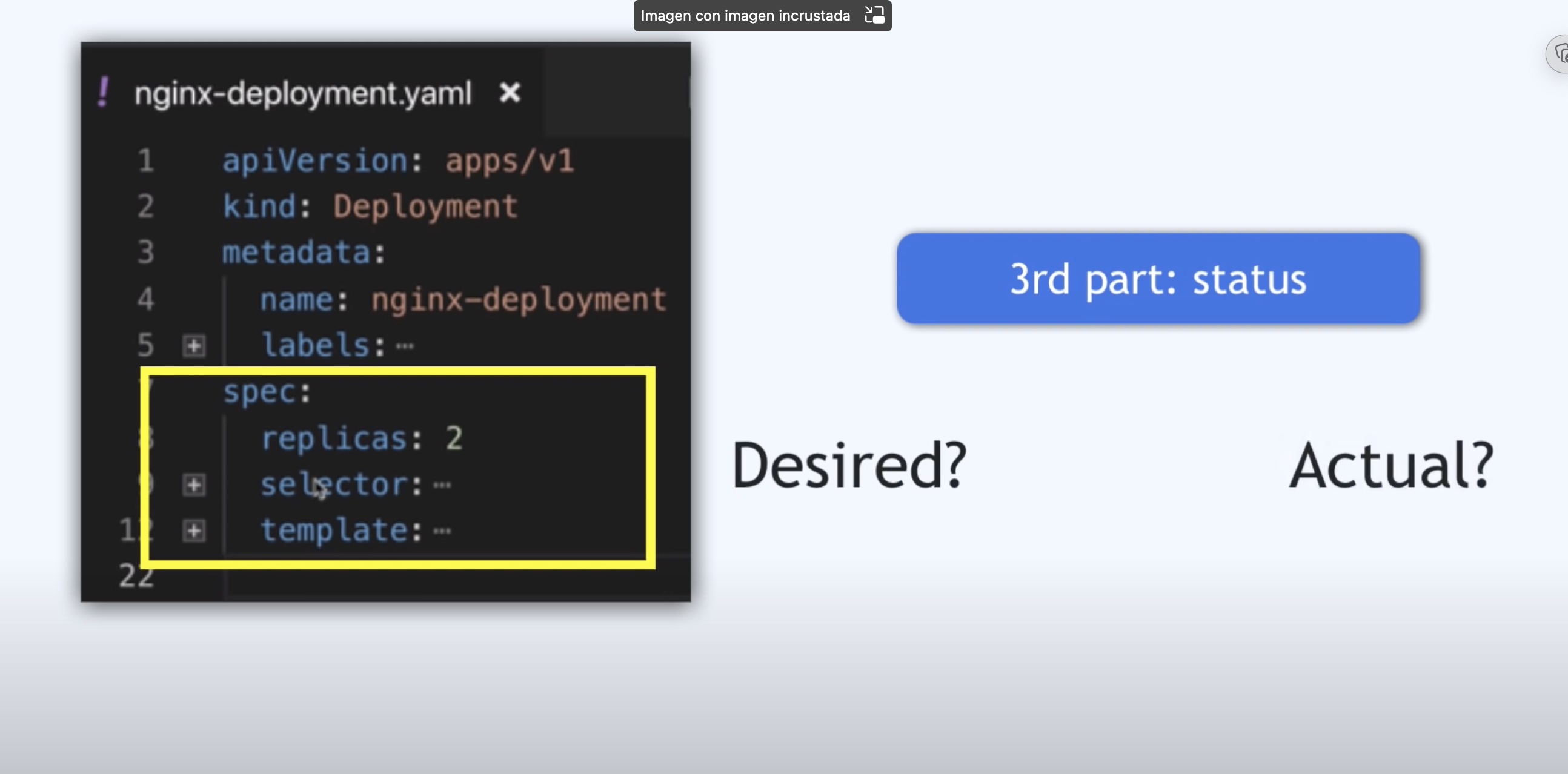
We send a yaml or json with the deployment descriptor to the api-controller to say to kubernetes how many pods we want to deploy
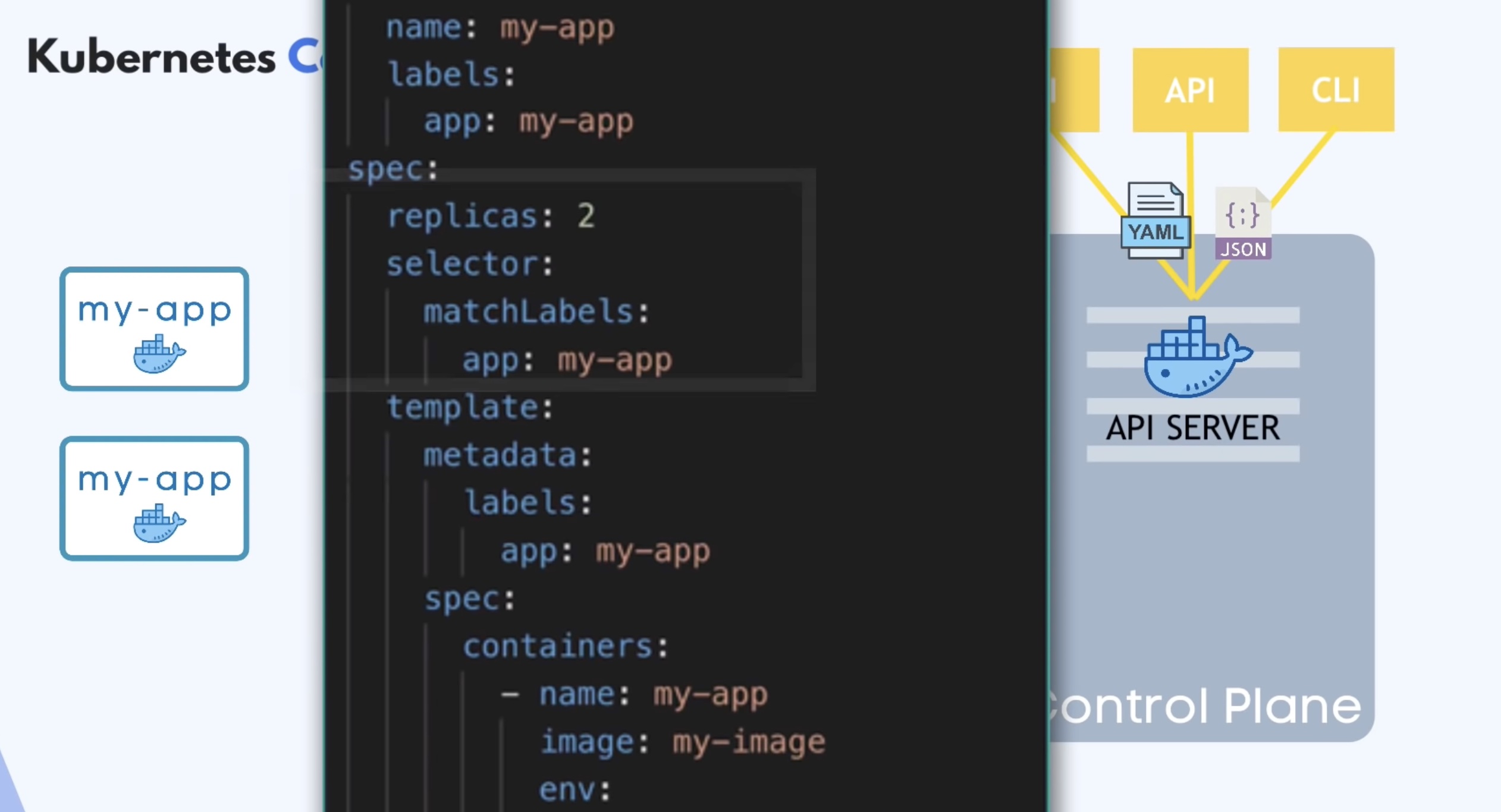
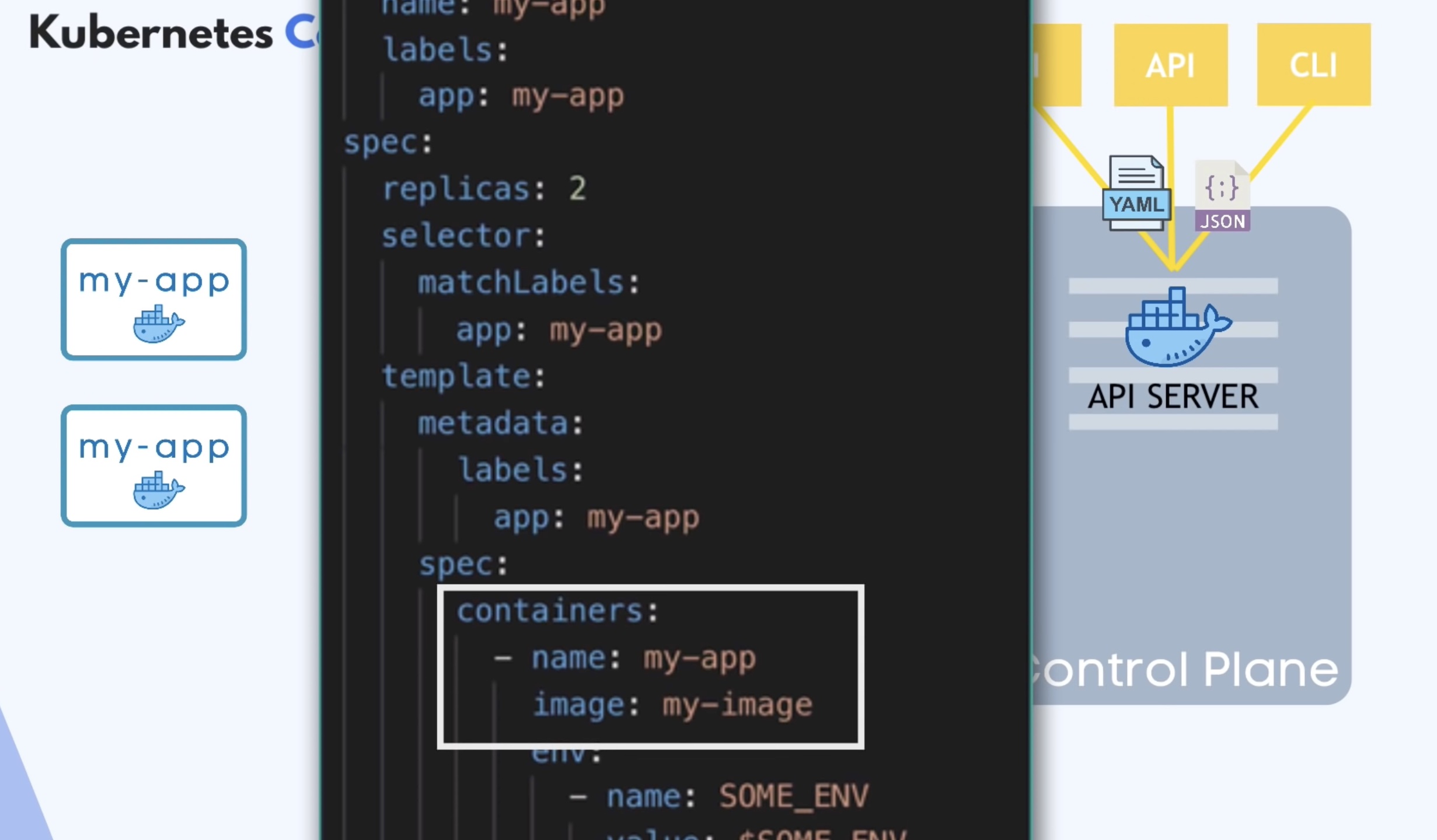
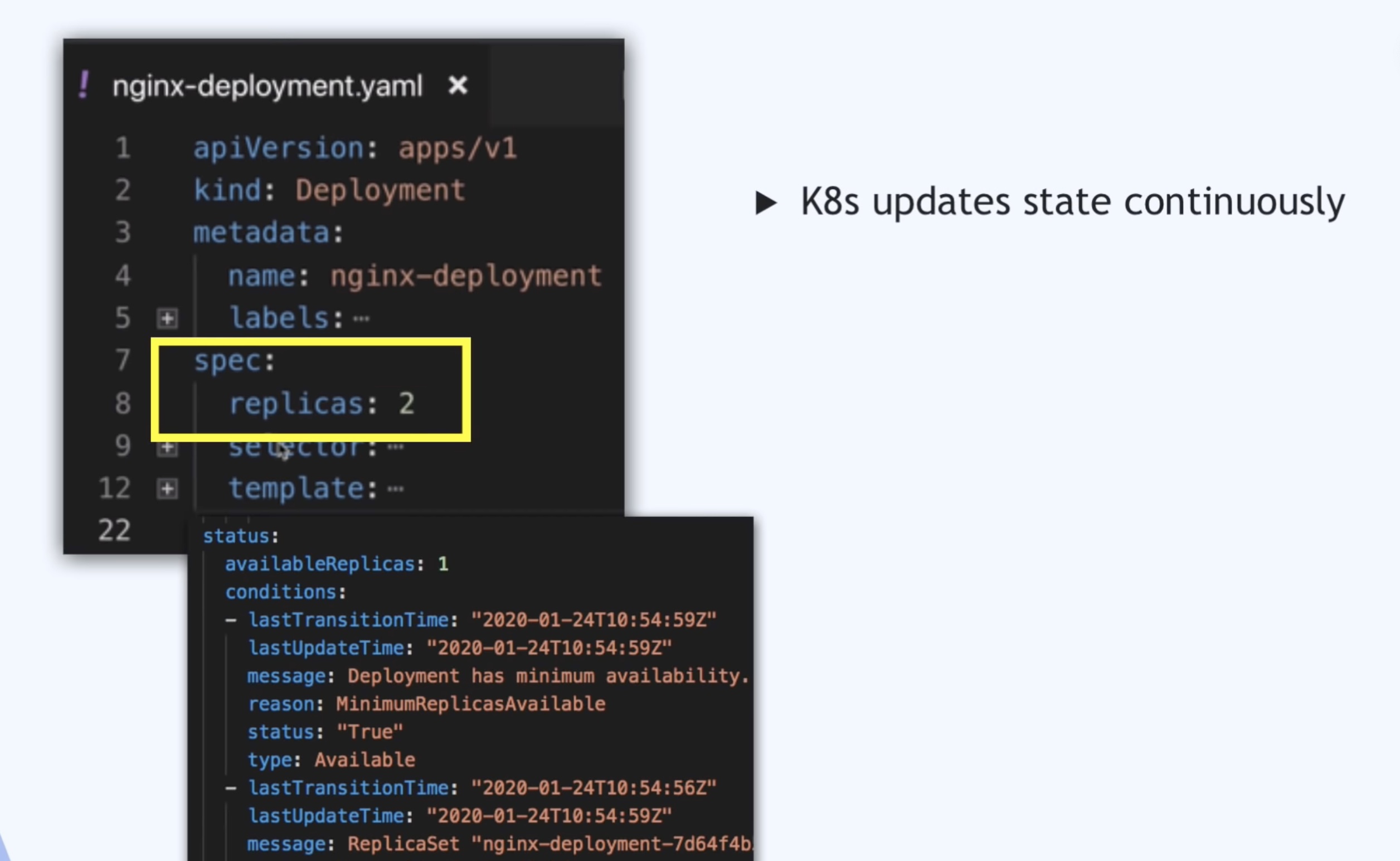
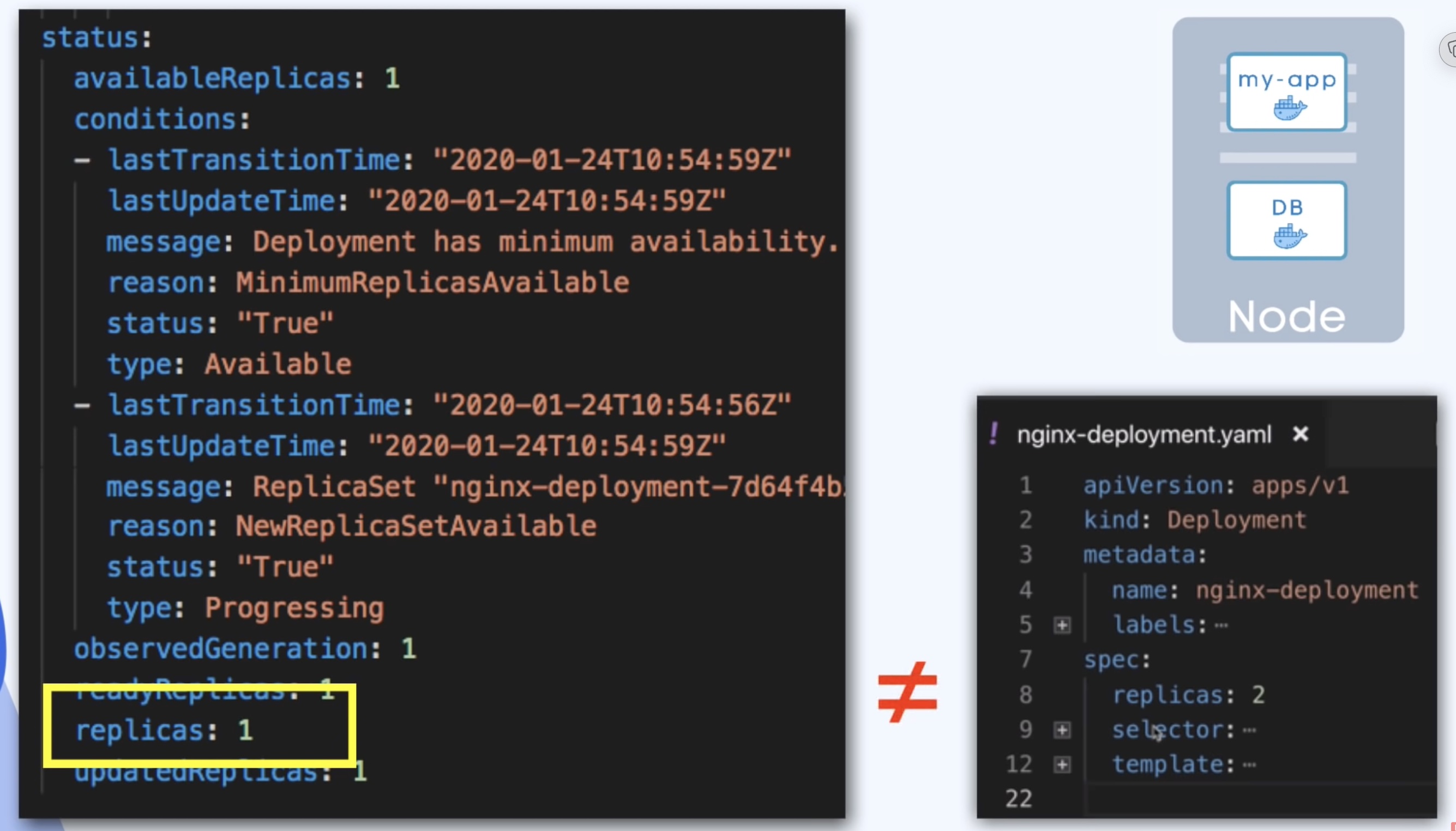
The control-loop looks for current status is the same as the required status to achieve it
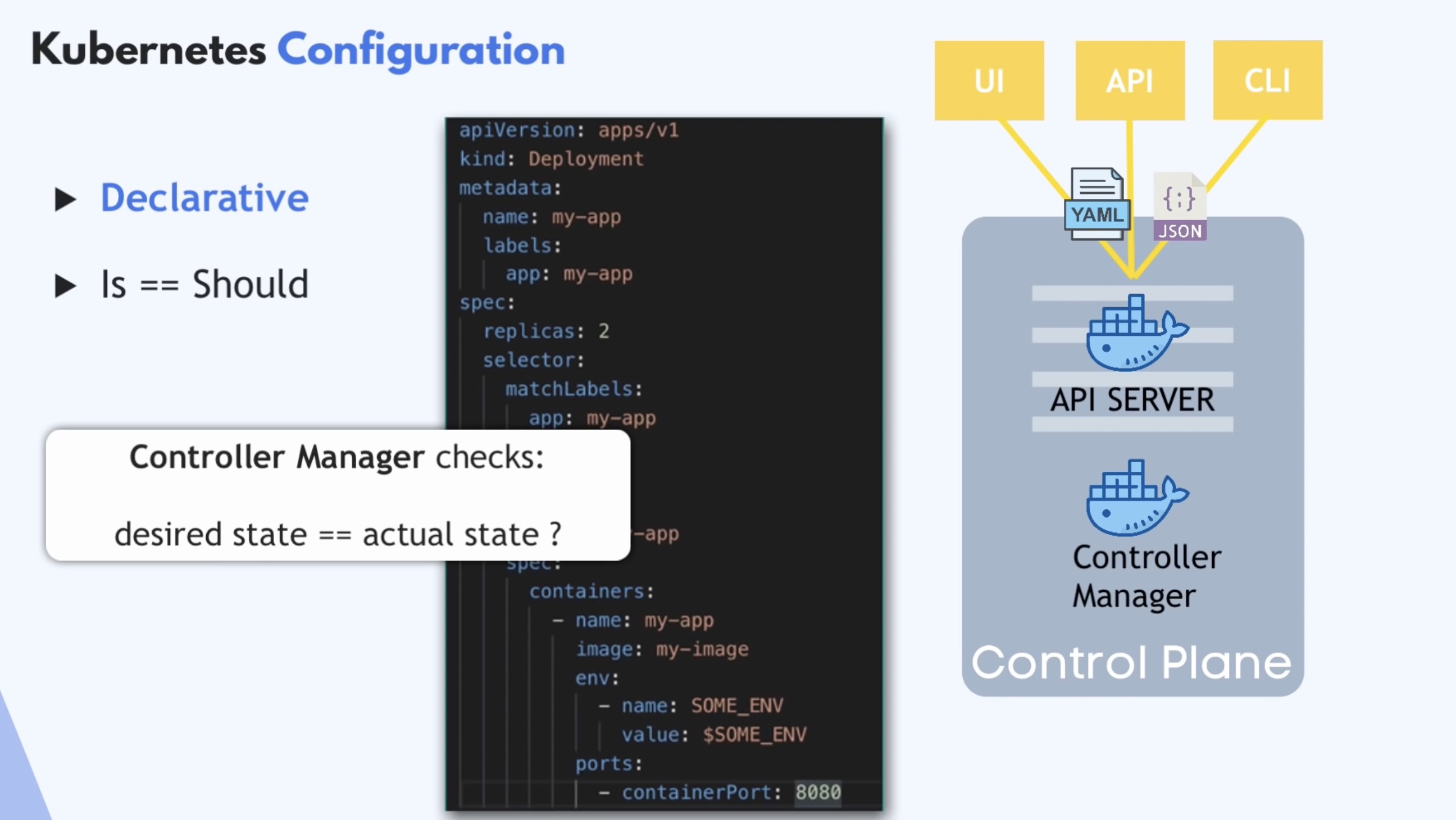
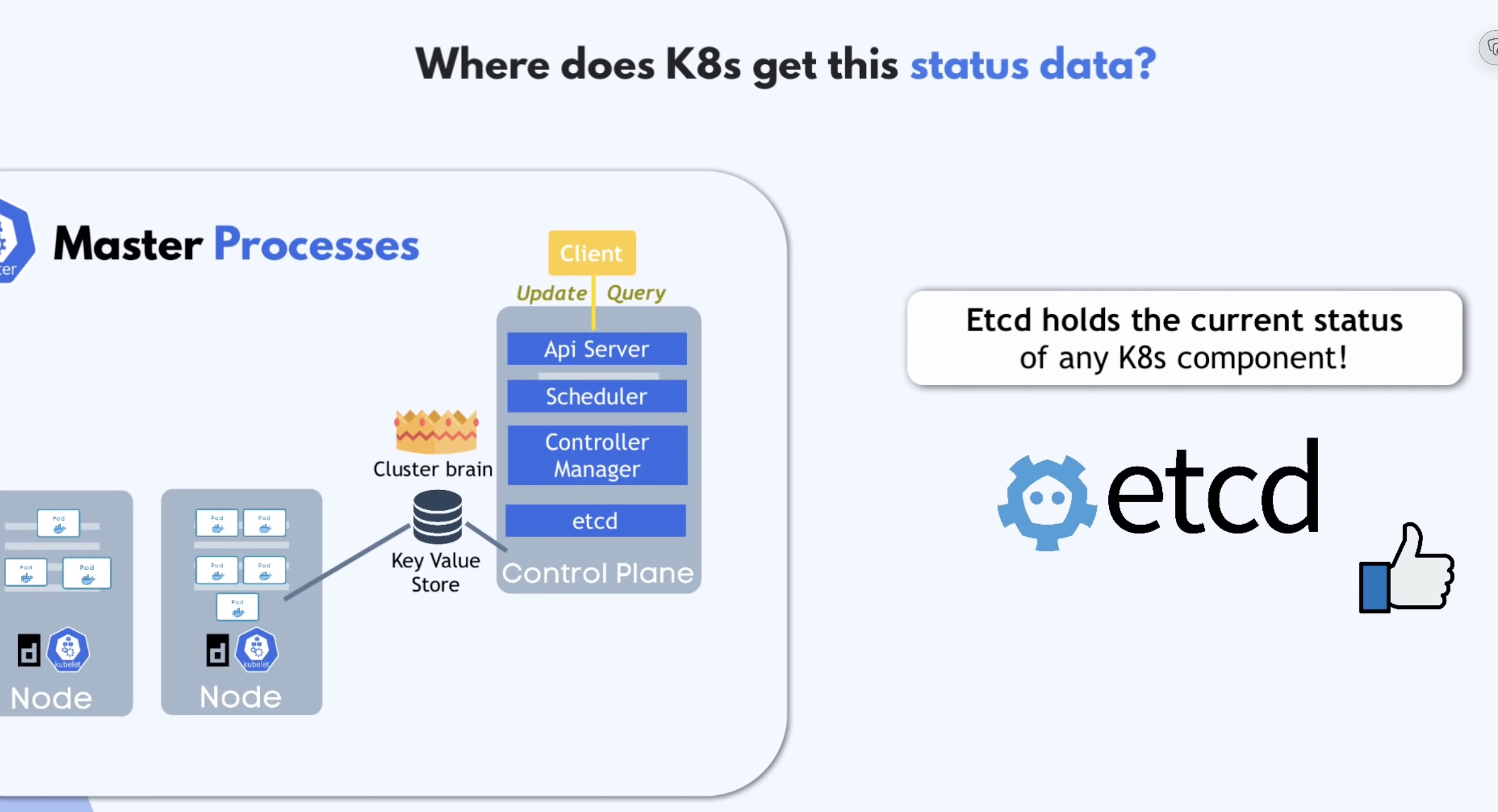
kubernetes configuration process: api-controller & etcd
The kubernetes current status is saved/handled with the etcd
So when a new deployement comes, the control-loop try to achieve the new requirements, but it has to see the current status of the deployment to compare both. To do that, the control-loop asks the etcd service for the current deployment.
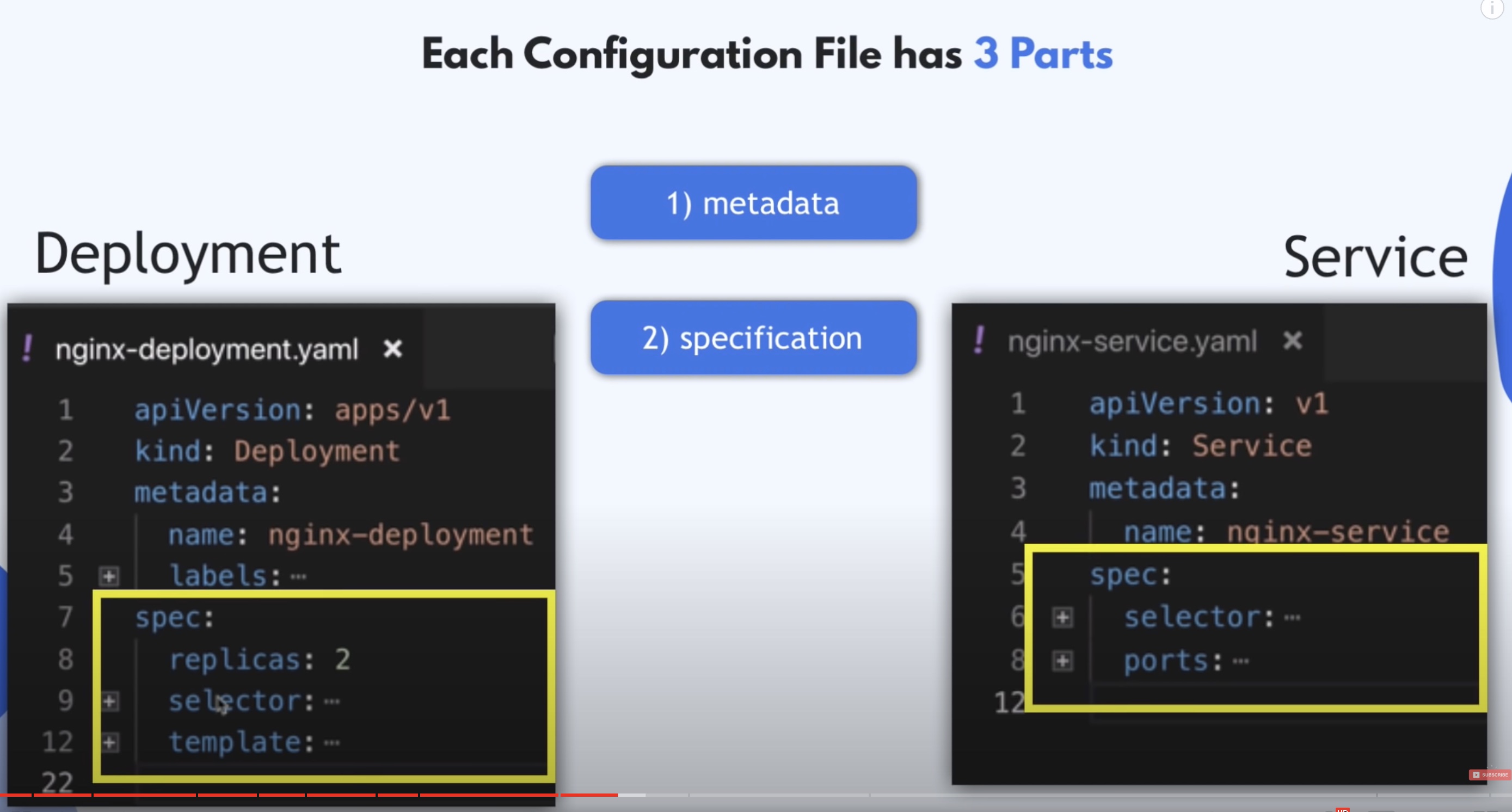
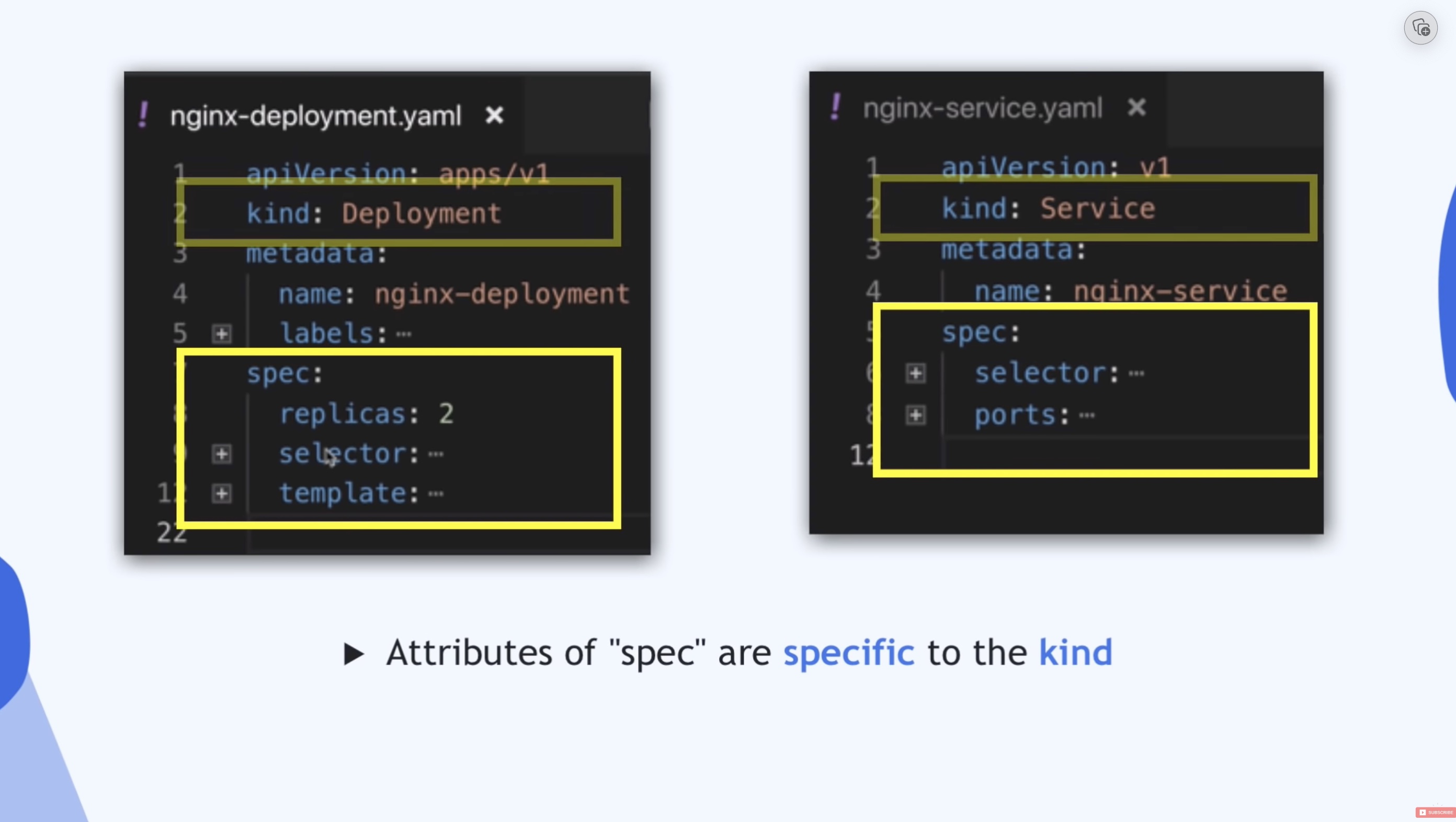
k8 Production Cluster vs Minikube (k8 local installation)
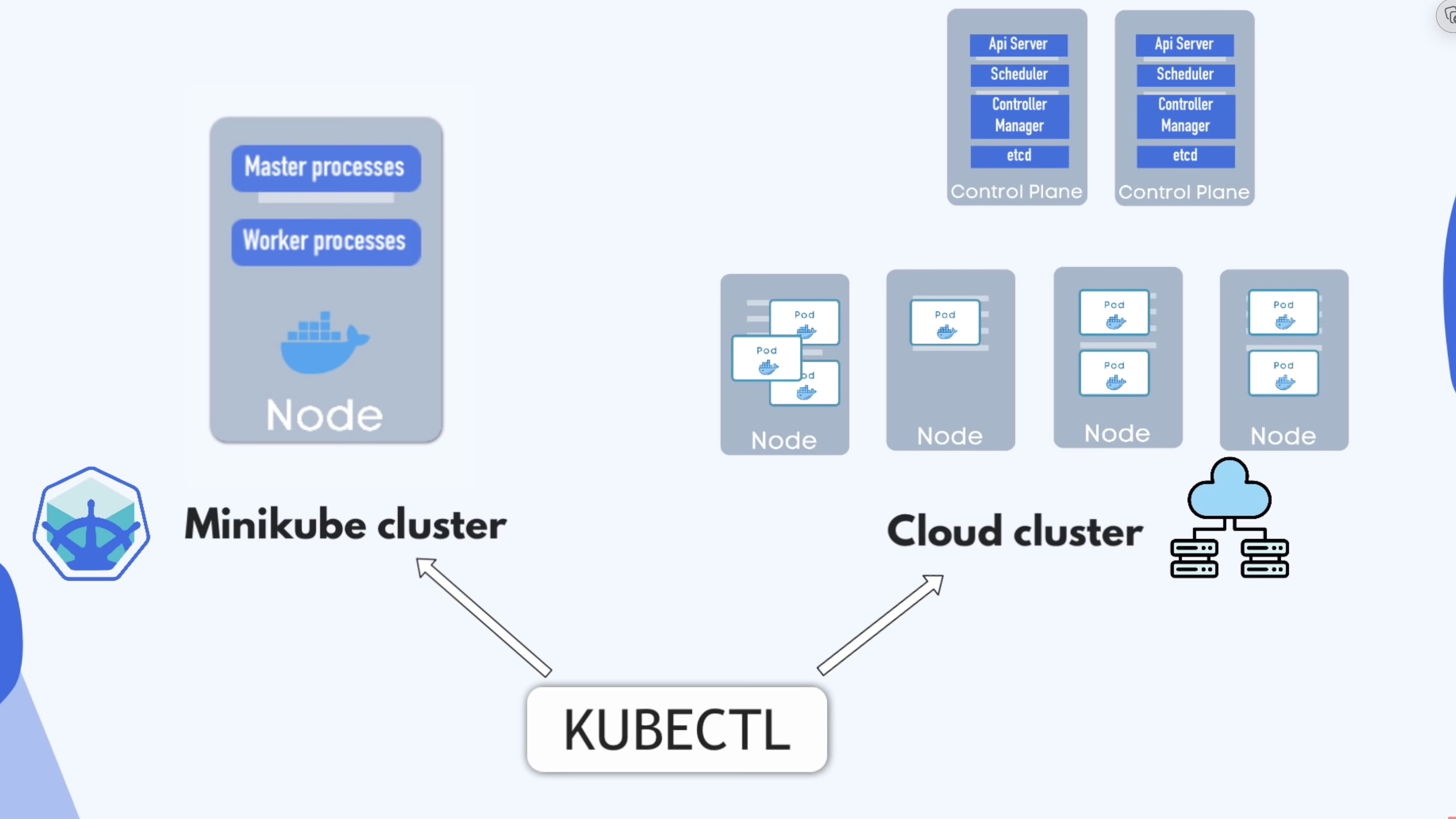
A typical Production Cluster setup:
- Multiple Master and Worker nodes
- Separate virtual or physical machines
But in a local machine maybe is not possible, because we need a lot of resources.
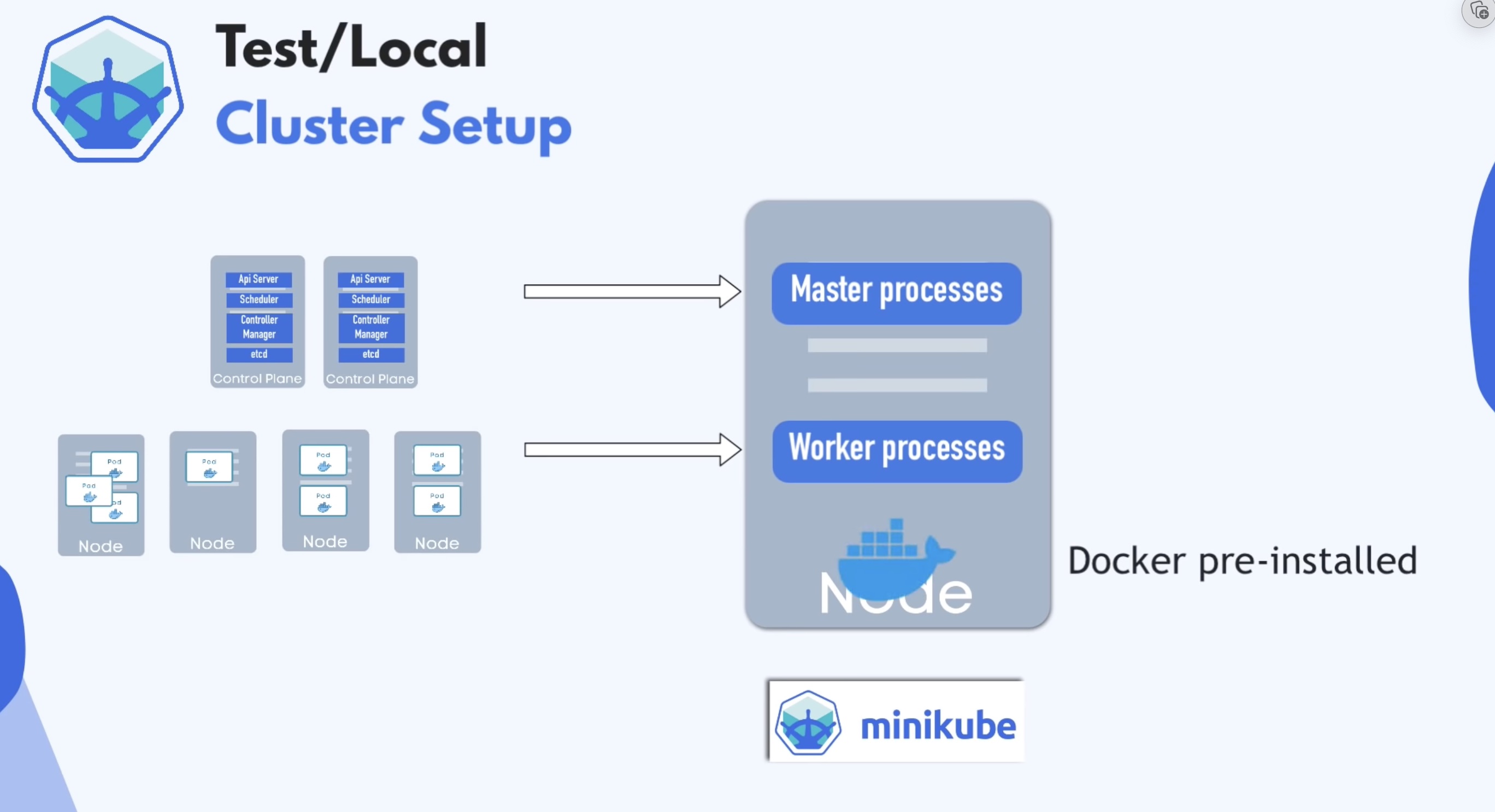
Minikube is an open source that runs Master and Node processes on ONE machine. So we can test in local the deployments and so on.
minikube installations
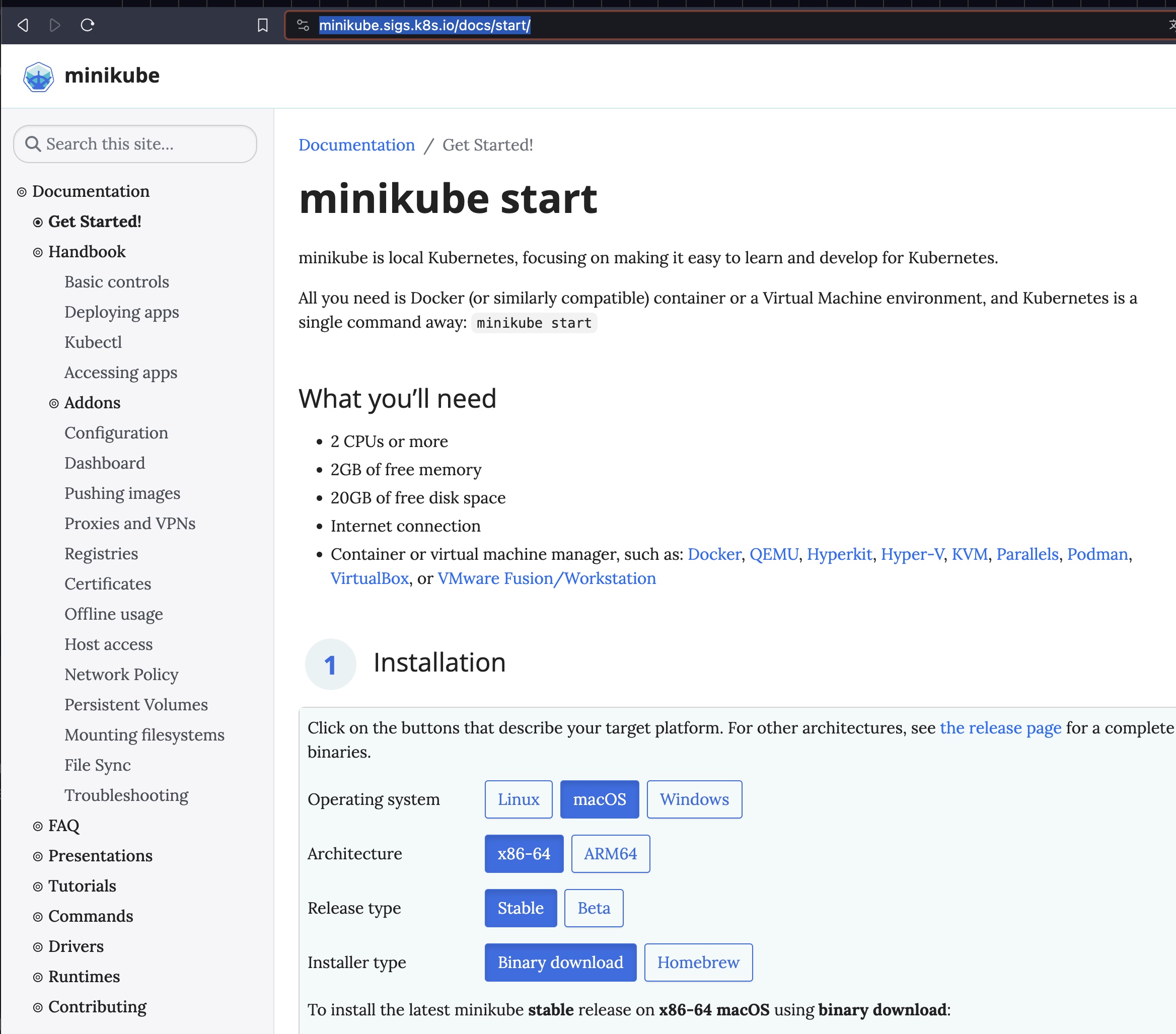
follow the instructions here: - https://minikube.sigs.k8s.io/docs/start/
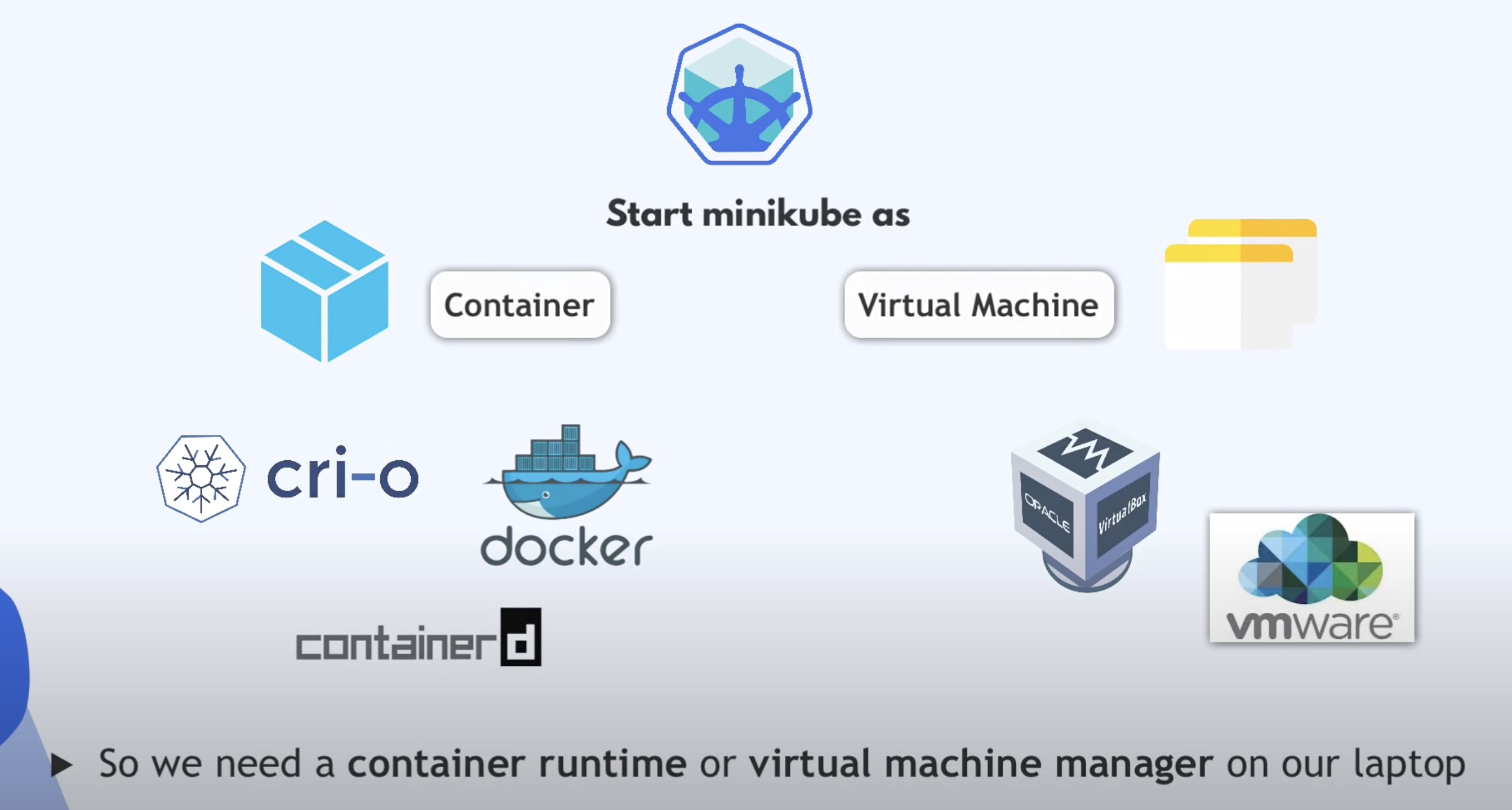
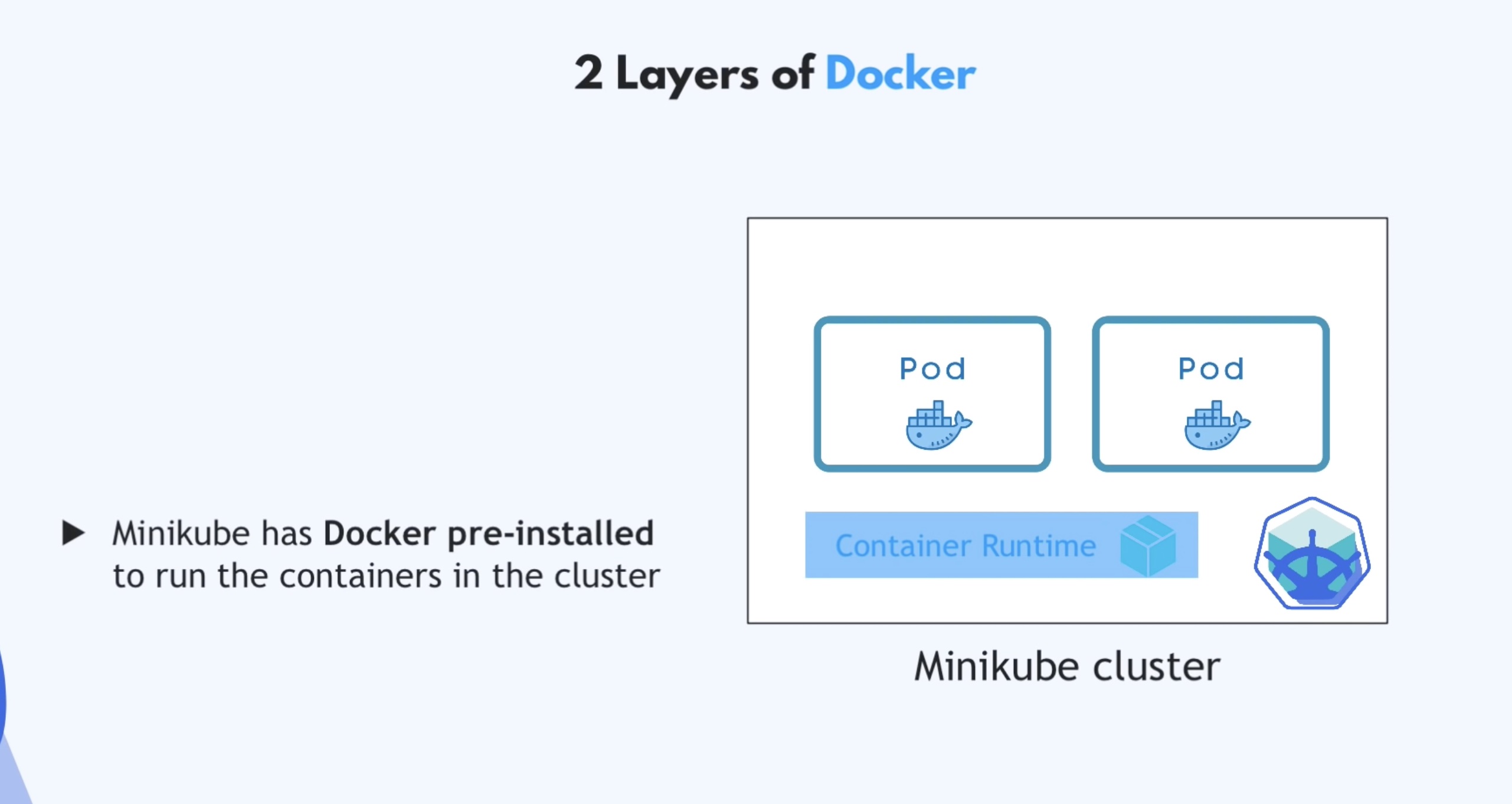
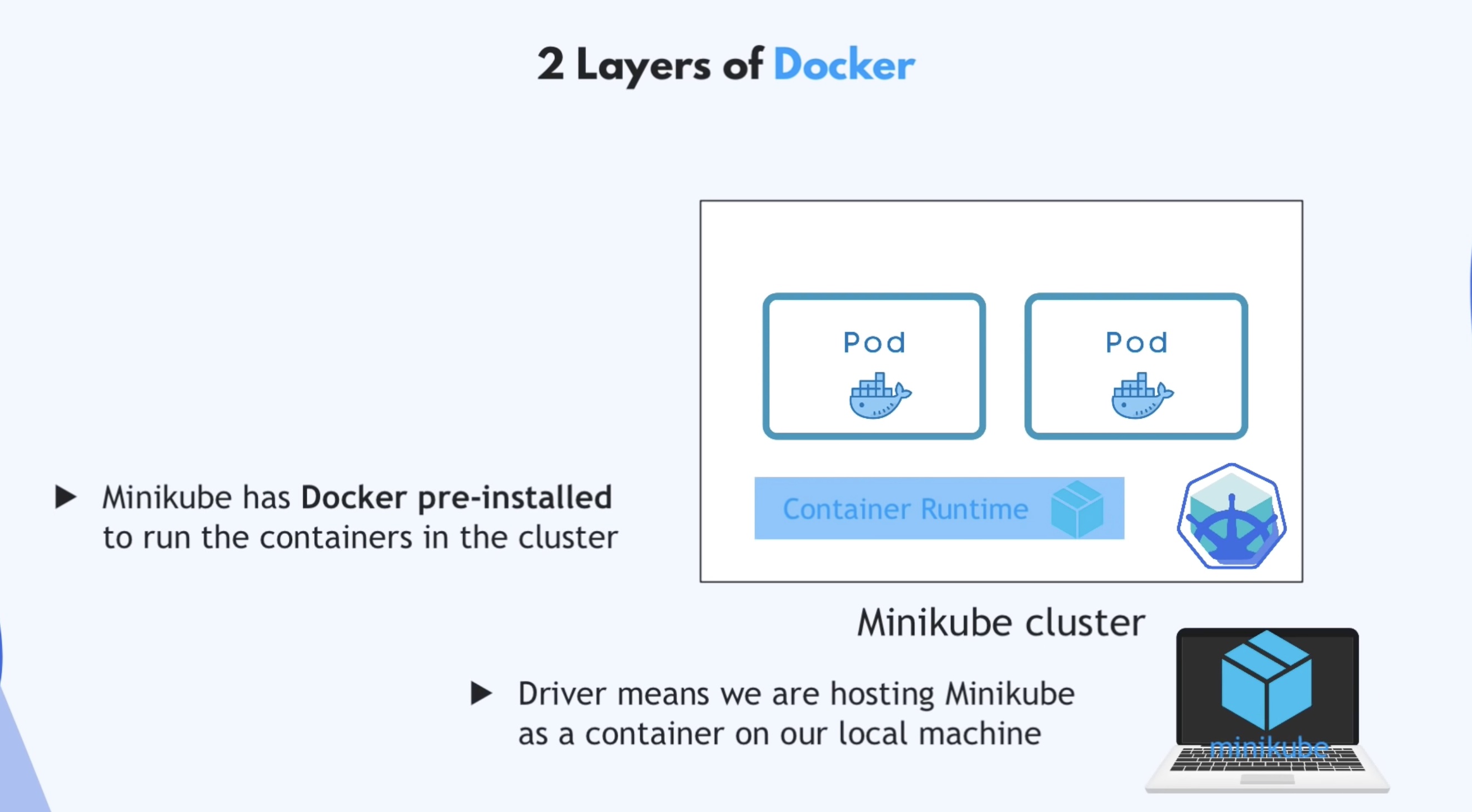
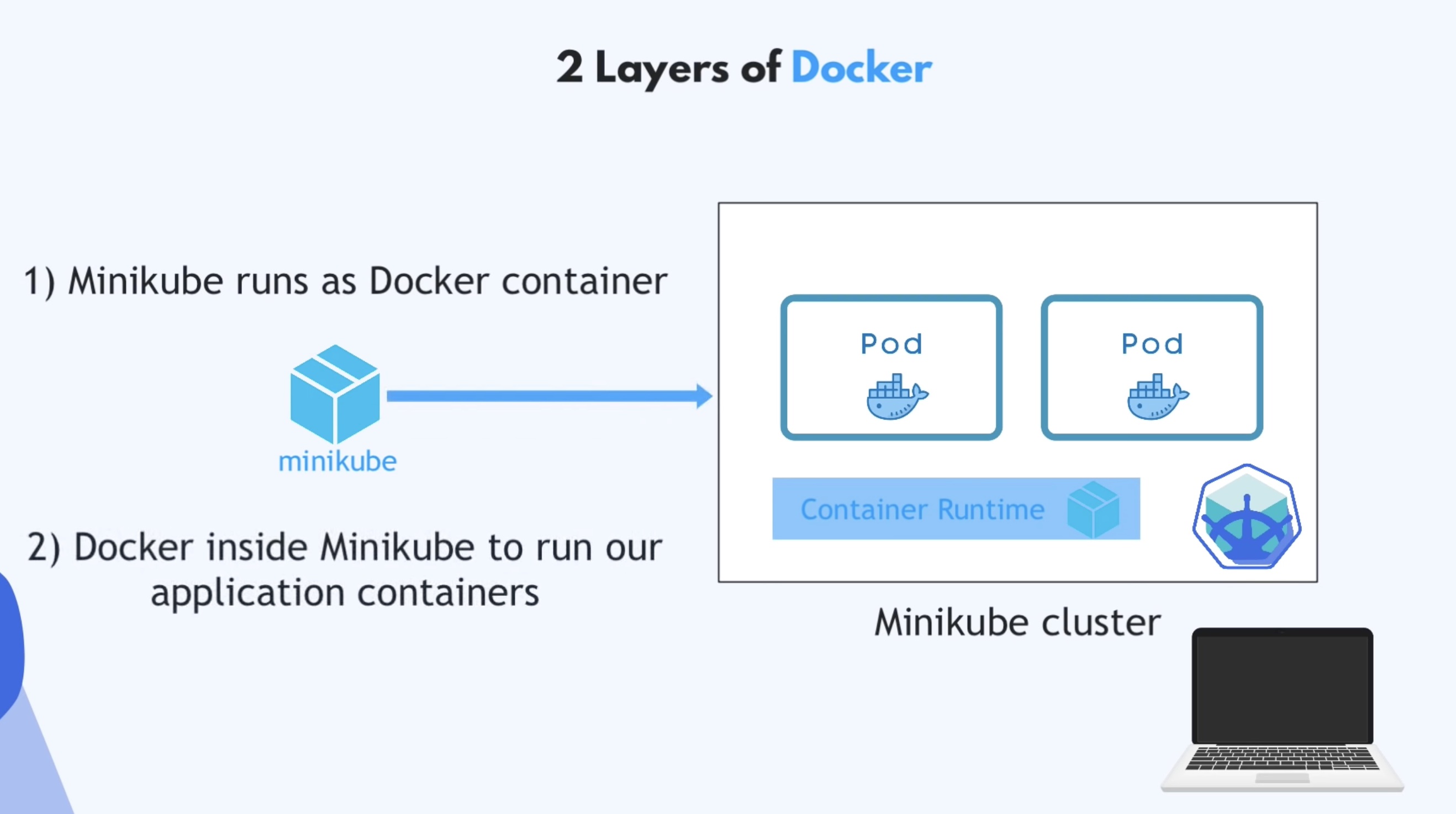
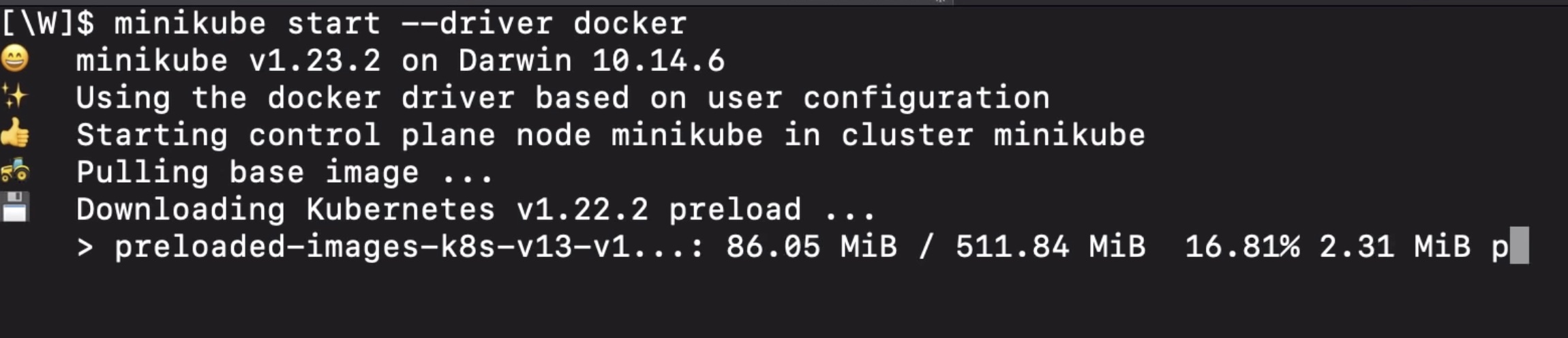
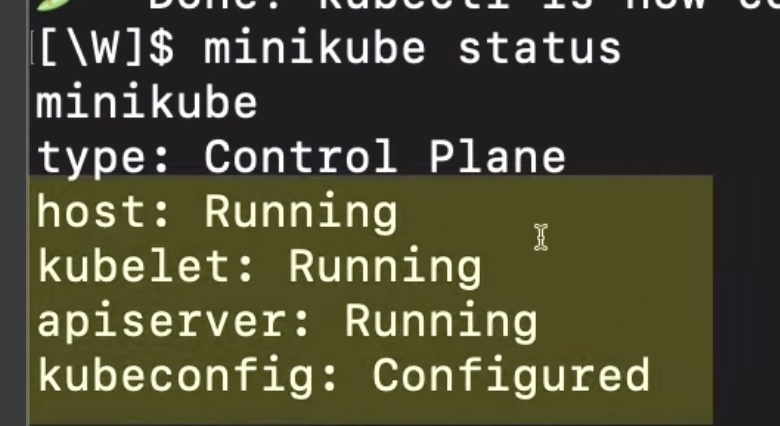
minikube is an image that runs over docker. Inside minikube, the pods can be executed in docker too. So is docker in docker


Kubectl
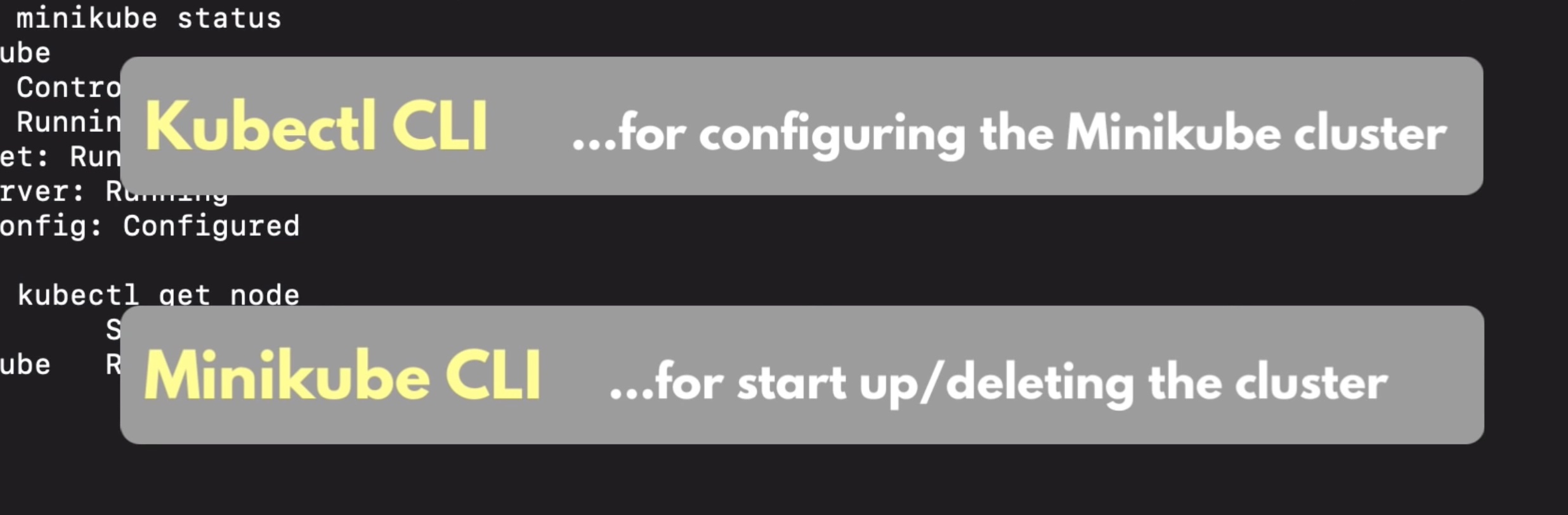
Kubectlis a command line tool for handling K8s clusters calling to the api-controller (api-server, enables interaction with cluster)